In the autumn of 361 AD, the Roman Empire stood on the brink of another civil war. Emperor Constantius II, the son of Constantine the Great and one of the most influential rulers of the fourth century, was preparing to confront his cousin Julian, who had been proclaimed emperor by his soldiers in Gaul. But the confrontation never happened. As Constantius traveled west from the eastern provinces, he became seriously ill and died in Cilicia, in present-day Turkey, at approximately 44 years old. His death ended a turbulent reign and opened the way for Julian to become the next Roman emperor without a decisive battle. Yet Constantius II also left a remarkable legacy in Rome, particularly through his spectacular visit to the Eternal City in 357 AD and the monuments associated with the Constantinian dynasty.
For travelers interested in experiencing the places connected with Roman emperors, the political history of Ancient Rome, and the transformations of the imperial capital, Kirba Tours offers several private guided experiences. The Colosseum, Palatine Hill and Roman Forum Private Tour provides a comprehensive introduction to the heart of imperial Rome. Visitors looking for a different perspective can choose the Colosseum Arena, Roman Forum and Palatine Hill Private Tour, which includes access to the arena floor, or the Colosseum Underground, Roman Forum and Palatine Hill Private Tour, featuring a visit to the underground areas. These experiences focus on Ancient Rome more broadly; travelers particularly interested in Constantius II can ask in advance whether their guide can provide additional historical context about the fourth century.
Although Constantius II spent much of his reign outside Italy, his relationship with Rome reveals an important turning point in imperial history. By exploring his life, the circumstances of his death, and the surviving monuments associated with his dynasty, we can better understand how the Roman Empire was changing during the fourth century.
Who Was Constantius II?
Flavius Julius Constantius, better known as Constantius II, was born in 317 AD, traditionally at Sirmium in the Roman province of Pannonia.
He was the son of Constantine the Great and Empress Fausta, and belonged to the Constantinian dynasty that shaped the political and religious development of the Late Roman Empire.
Constantius received the title of Caesar while still a child and became one of the empire’s senior rulers following his father’s death in 337 AD.
Power was initially divided among Constantine’s three sons:
- Constantine II, who controlled territories in the western empire.
- Constans, who ruled other western provinces.
- Constantius II, who governed the eastern territories.
The arrangement was unstable. Rivalries, civil wars, and political assassinations gradually eliminated the other rulers.
Following the defeat of the usurper Magnentius in 353 AD, Constantius II emerged as the empire’s sole Augustus.
The Reign of Constantius II and the Changing Roman Empire
The reign of Constantius II unfolded during a period of enormous transformation.
Christianity had gained increasing imperial support under Constantine, while traditional Roman religious institutions continued to play an important role in public life.
Military pressures along the Rhine, Danube, and eastern frontier forced emperors to spend much of their time far from Rome.
The imperial administration had also become geographically dispersed. Constantinople, established by Constantine as a major imperial residence, played a central role in the eastern empire.
Despite these changes, Rome retained immense prestige as the historical center of Roman power.
For Constantius II, visiting the city meant confronting the monumental legacy of emperors who had ruled centuries before him.
Constantius II Visits Rome in 357 AD
One of the most memorable episodes of Constantius II’s reign was his ceremonial visit to Rome in 357 AD.
The event was described by the historian Ammianus Marcellinus in Book XVI of his Res Gestae, one of the most important surviving historical accounts of the Late Roman Empire.
Constantius entered the city in an elaborate imperial procession, accompanied by soldiers, officials, magnificent banners, and ceremonial displays of military power.
Ammianus describes the emperor’s imposing appearance and the carefully controlled movements that made him resemble a statue.
An Imperial Procession Through the Eternal City
The emperor’s arrival was intended to demonstrate the strength and dignity of his rule.
For the people of Rome, however, the occasion was unusual. By the fourth century, emperors were no longer consistently resident in the city.
Constantius’s visit therefore brought the imperial court back into direct contact with the traditional symbols of Roman authority.
The procession passed through an urban landscape filled with triumphal arches, temples, public buildings, and monuments celebrating the achievements of earlier rulers.
According to Ammianus, Constantius was particularly impressed by the city’s architecture, including the extraordinary monumental complex of the Forum of Trajan.
His reaction reveals how Rome could still astonish an emperor accustomed to the great cities of the eastern Mediterranean.
The Lateran Obelisk: The Most Important Monument Linked to Constantius II
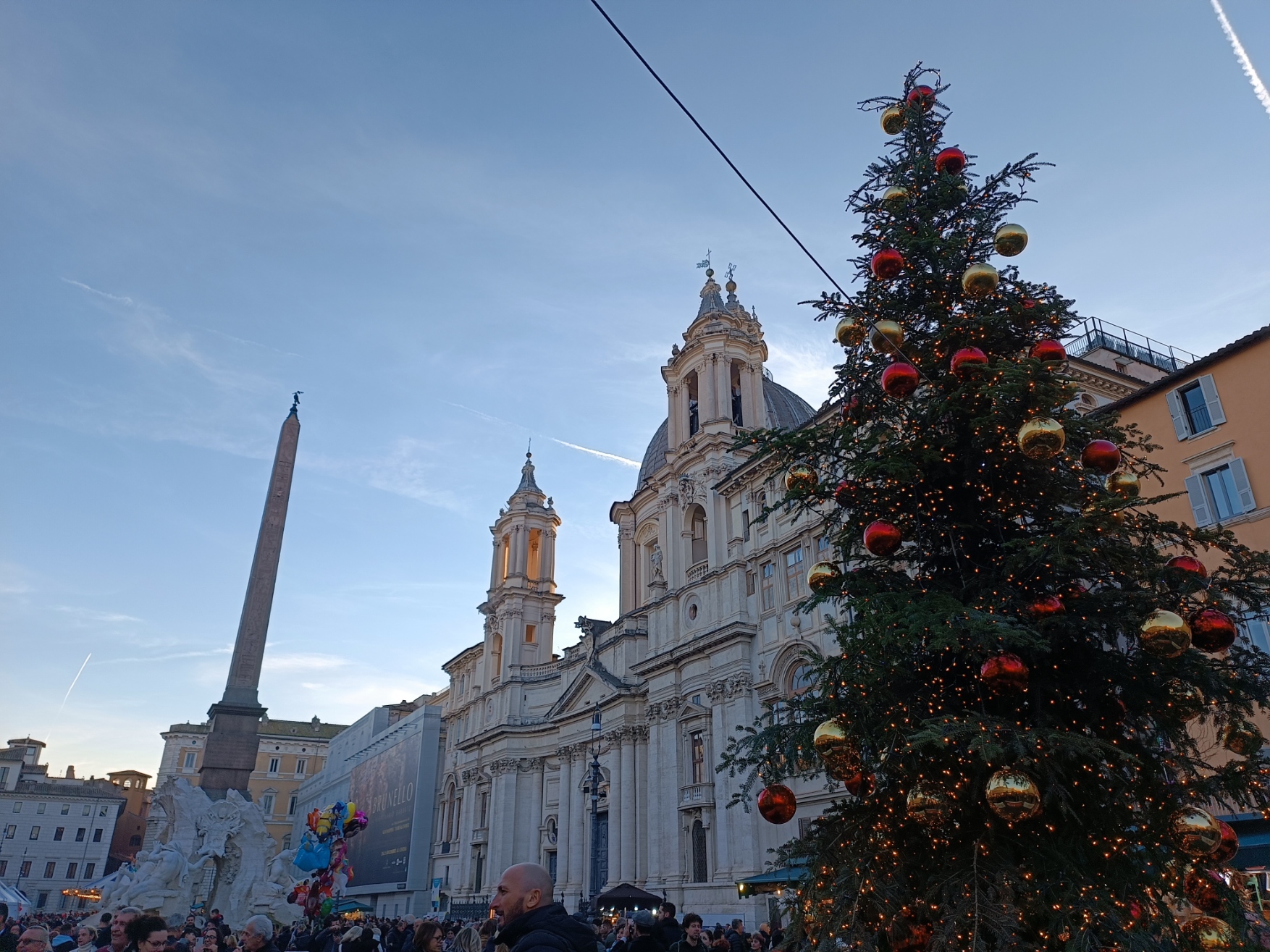
Perhaps the most tangible surviving monument associated with Constantius II in Rome is the Lateran Obelisk, now standing in Piazza di San Giovanni in Laterano.
Originally created in ancient Egypt, the monument is the tallest surviving ancient Egyptian obelisk.
Its journey to Rome began under Constantine the Great, who ordered its transportation from Egypt.
After Constantine’s death, the project was completed by his son Constantius II.
How Constantius II Brought an Egyptian Obelisk to Rome
In 357 AD, the enormous granite monument was transported to Rome through a complex engineering operation.
The obelisk traveled by ship and was subsequently moved into the city to be erected in the Circus Maximus, Rome’s great chariot-racing stadium.
Its arrival represented an extraordinary feat of Roman logistics and engineering.
It also provided a visible statement of imperial power, connecting Constantius II with the monumental traditions of earlier Roman rulers who had transported Egyptian obelisks to the capital.
Where Can You See the Lateran Obelisk Today?
The obelisk no longer stands in the Circus Maximus.
During the Renaissance, it was rediscovered and restored before being erected in its present location under Pope Sixtus V.
In 1588, the architect Domenico Fontana oversaw its installation in Piazza di San Giovanni in Laterano.
Today, visitors can admire the towering granite shaft and the inscriptions connected with its ancient and later history.
For anyone interested in Constantius II, this is the most direct surviving monument associated with his imperial ambitions in Rome.
The Roman Forum, Curia Julia, and the Altar of Victory
The Roman Forum provides another important connection to the reign of Constantius II.
By the fourth century, the Forum remained a powerful symbol of Rome’s ancient political and religious institutions, even as the empire’s administrative structure evolved.
One of its most significant buildings was the Curia Julia, the historic meeting place of the Roman Senate.
Why Did Constantius II Remove the Altar of Victory?
During his visit to Rome in 357 AD, Constantius II ordered the removal of the Altar of Victory from the Senate House.
The altar had been associated with the Roman Senate since the age of Augustus and represented the connection between political authority and Rome’s traditional religious practices.
Its removal became an important event in the changing relationship between imperial Christianity and traditional Roman religion.
However, the decision should not be interpreted as the immediate end of pagan worship in Rome.
Ancient evidence also indicates that Constantius showed respect for some traditional temples and priestly institutions during his visit.
The altar was subsequently restored before becoming the subject of another major religious controversy later in the fourth century.
The Conflict Between Christianity and Traditional Roman Religion
The dispute surrounding the Altar of Victory illustrates the complexity of religion in the Late Roman Empire.
Constantius II supported Christianity and issued legislation restricting traditional sacrifices.
At the same time, powerful Roman aristocratic families continued to preserve older religious customs.
The tension between these traditions would become especially visible in the later controversy involving the Roman senator Symmachus and the Christian bishop Ambrose of Milan.
Visitors to the Roman Forum today can still see the Curia Julia and reflect on the political and religious debates that shaped Rome during this transformative period.
The Arch of Constantine: A Monument to the Imperial Dynasty
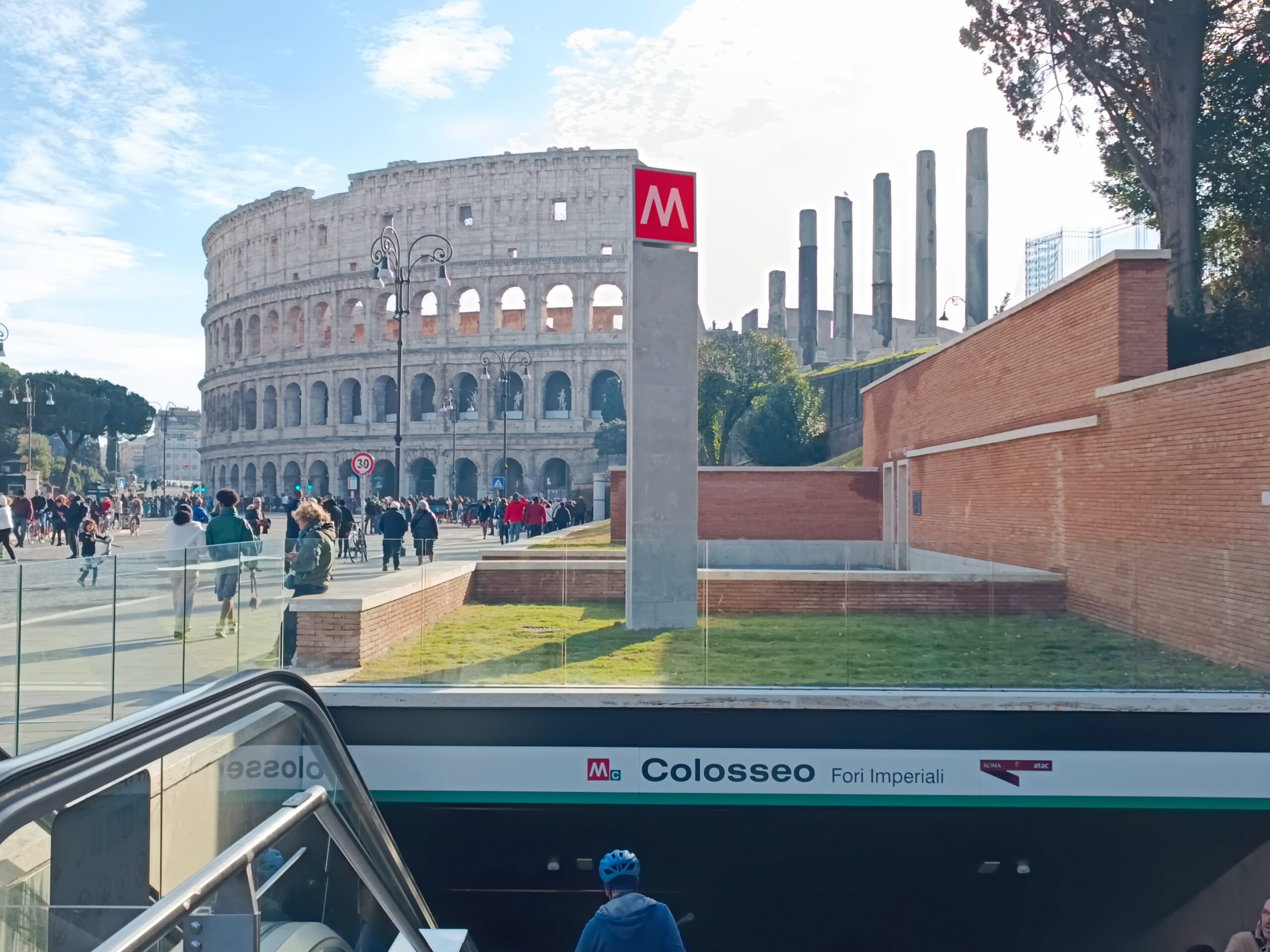
Located beside the Colosseum, the Arch of Constantine is one of the most impressive surviving monuments of the Constantinian period.
It was dedicated in 315 AD to commemorate Constantine’s victory over Maxentius at the Battle of the Milvian Bridge in 312 AD.
Although Constantius II was not yet born when the arch was dedicated, the monument provides essential historical context for understanding his dynasty.
Why the Arch Matters to the Story of Constantius II
The arch celebrates the military achievements and political legitimacy of Constantine, the father whose imperial authority Constantius would eventually inherit.
Its decoration combines reliefs from earlier imperial monuments with sculptures created during Constantine’s reign.
This artistic approach connects the Constantinian dynasty with the prestigious rulers of Rome’s past.
For travelers following the history of Constantius II, the arch is therefore an ideal starting point for understanding the political legacy that shaped his reign.
It also stands near the archaeological sites that remained central to the identity of imperial Rome.
The Capitoline Museums and the Imperial Portraits of the Constantinian Dynasty
The Capitoline Museums preserve important sculptures and portraits associated with Constantine and his successors.
Among the most famous are the enormous marble fragments of a colossal statue of Constantine, including the emperor’s head, hands, and feet.
These fragments are displayed in the courtyard of the Palazzo dei Conservatori.
They offer visitors a striking example of the monumental imagery used to represent imperial power in the fourth century.
Does the Colossal Bronze Head Represent Constantius II?
Another important work is a colossal bronze head traditionally identified as Constantine the Great.
Some scholars have considered whether the sculpture could represent Constantius II, although that identification remains debated.
The museum’s collection also includes a separate marble colossal head identified as possibly representing Constantius II or his brother Constans.
These questions of attribution demonstrate how difficult it can be to distinguish imperial portraits from the later Constantinian dynasty.
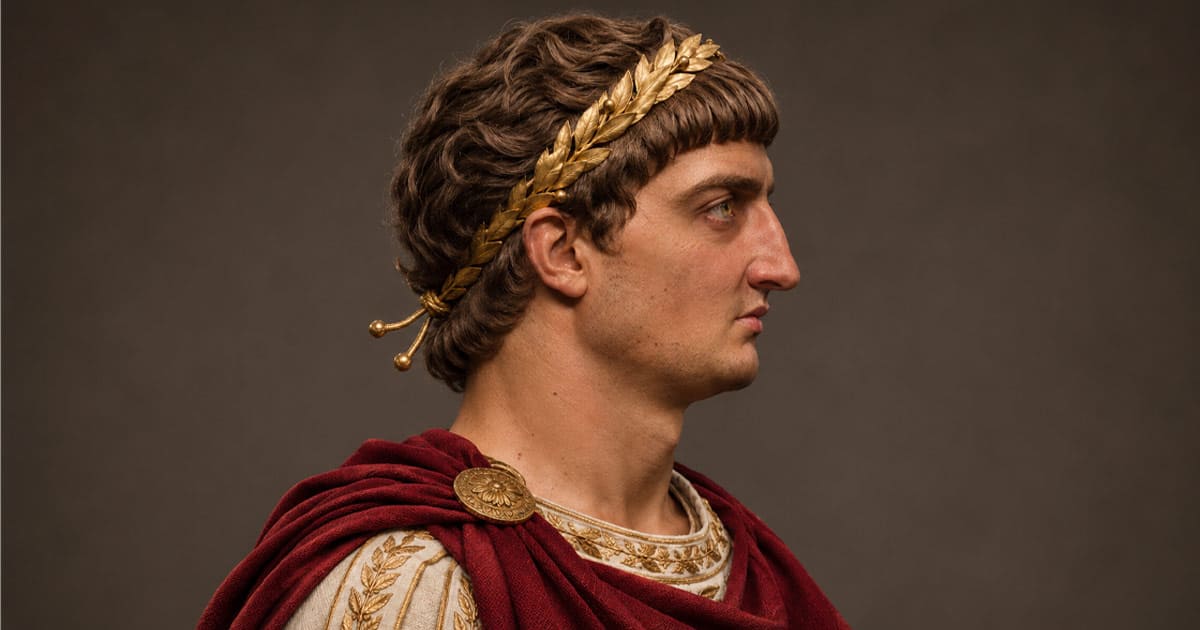
Members of the family often shared similar official visual characteristics, including carefully arranged hairstyles, large eyes, and solemn expressions.
Rather than providing a definitive portrait of Constantius II, the collection reveals how Roman emperors used sculpture to communicate authority and dynastic continuity.
The Death of Constantius II in 361 AD
By 360 AD, the political situation had become increasingly dangerous for Constantius II.
His cousin Julian, whom he had appointed Caesar in 355, had achieved major military successes in Gaul.
Julian’s troops proclaimed him Augustus, creating a direct challenge to Constantius’s authority.
The two men attempted negotiations, but the conflict remained unresolved.
Why Was Constantius II Marching Against Julian?
Constantius regarded Julian’s elevation to the rank of Augustus as a threat to the established imperial hierarchy.
Julian, meanwhile, had secured substantial military support in the western provinces.
In 361 AD, Julian began moving eastward, while Constantius prepared to confront him.
The empire appeared to be approaching another potentially destructive civil war.
Yet events took an unexpected turn before the rival armies could meet.
Where Did Constantius II Die?
According to Ammianus Marcellinus, Constantius developed a fever after reaching Tarsus in Cilicia.
Believing that he could continue his journey, the emperor traveled toward Mopsucrenae, a posting station near the Taurus Mountains in what is now southern Turkey.
His condition deteriorated rapidly.
The fever became increasingly severe, and despite attempts to treat him, Constantius died at approximately 44 years old.
Most modern historical accounts place his death on November 3, 361 AD, although ancient sources and later chronologies do not agree completely on the precise date.
Did Constantius II Name Julian as His Successor?
One of the most important details preserved by Ammianus is the report that Constantius named Julian as his successor shortly before dying.
However, Ammianus presents this as something that was reported rather than as an independently established fact.
Whether the designation was genuine or reflected the political circumstances following his death remains uncertain.
What is clear is that Julian became emperor without the civil war that had seemed almost inevitable.
Constantius’s death therefore changed the course of Roman history at a critical moment.
Julian the Apostate and the End of Constantius II’s Reign
The accession of Julian marked a significant shift in imperial religious policy.
Julian, later remembered by Christian writers as Julian the Apostate, rejected the Christian religious direction favored by Constantine and Constantius.
He promoted the restoration of traditional religious practices and sought to reshape the relationship between the imperial government and religious institutions.
His reign was short, ending with his death during a military campaign against the Persian Empire in 363 AD.
Nevertheless, the transition from Constantius II to Julian remains one of the defining episodes of fourth-century Roman history.
How to Explore the Legacy of Constantius II in Rome
Although there is no single archaeological site devoted entirely to Constantius II, visitors can discover several places connected with his reign and the Constantinian dynasty.
1. The Lateran Obelisk
Begin in Piazza di San Giovanni in Laterano, where the monument brought to Rome by Constantius II in 357 AD stands today.
This is the clearest physical connection between the emperor and the modern city.
2. The Arch of Constantine
Continue to the monumental arch beside the Colosseum.
The arch commemorates Constantine’s victory over Maxentius and helps explain the political and dynastic background of Constantius II.
3. The Roman Forum and Curia Julia
Explore the political center of Ancient Rome, including the Senate House associated with the removal of the Altar of Victory.
This area provides important context for understanding the religious and political tensions of the fourth century.
4. The Capitoline Museums
Finish with the imperial portraits and colossal sculptures associated with Constantine and his dynasty.
The collection provides an opportunity to examine how emperors represented themselves through monumental art.
Planning tip: these stops are located in different parts of central Rome. Allow time for transportation and check current museum and archaeological-site admission requirements. Standard Colosseum and Roman Forum tours do not necessarily include the Lateran Obelisk or Capitoline Museums.
Frequently Asked Questions About Constantius II
Who was Constantius II?
Constantius II was a Roman emperor and son of Constantine the Great. He ruled as Augustus from 337 to 361 AD and became sole ruler of the empire in 353 AD.
When did Constantius II die?
His death is commonly dated to November 3, 361 AD, although historical sources differ on the precise date.
Where did Constantius II die?
He died at Mopsucrenae in Cilicia, near the Taurus Mountains in modern-day Turkey, after developing a serious fever.
How old was Constantius II when he died?
Constantius II was approximately 44 years old at the time of his death.
Who succeeded Constantius II?
His cousin Julian, commonly known as Julian the Apostate, succeeded him as Roman emperor in 361 AD.
Did Constantius II ever visit Rome?
Yes. His celebrated visit in 357 AD was described in detail by the historian Ammianus Marcellinus.
What monument did Constantius II bring to Rome?
Constantius II completed the transportation of an enormous Egyptian obelisk to Rome in 357 AD. Originally erected in the Circus Maximus, it now stands in Piazza di San Giovanni in Laterano.
What happened to the Altar of Victory under Constantius II?
During his visit to Rome in 357 AD, Constantius ordered the altar’s removal from the Senate House. It was subsequently restored before becoming the subject of another major controversy later in the fourth century.
What is the best way to explore Constantius II’s Rome?
A historical itinerary can combine the Lateran Obelisk, Arch of Constantine, Roman Forum, and Capitoline Museums. Visitors interested in a guided experience should ask specifically about a fourth-century or Late Roman Empire historical focus.
Constantius II: An Emperor Between Two Eras of Roman History
The death of Constantius II in 361 AD marked the end of an important chapter in the history of the Constantinian dynasty.
His reign reflected the political, military, and religious challenges faced by an empire undergoing profound transformation.
Although he spent much of his life governing from the eastern provinces, his visit to Rome in 357 AD left an enduring impression on the historical record.
The Lateran Obelisk, the Roman Forum, and the monuments associated with the Constantinian dynasty allow modern travelers to explore this remarkable period through the surviving architecture and archaeology of the Eternal City.
Understanding Constantius II also helps reveal a different side of Roman history: not the familiar world of Julius Caesar or Augustus, but the later empire, when Christianity, imperial power, and traditional Roman institutions were being redefined.
For travelers who want to look beyond Rome’s most familiar historical stories, the life and death of Constantius II offer a compelling introduction to the complex world of the fourth-century Roman Empire.