
The Roman Festival of Floralia, also known as the Ludi Florales, was one of the most vibrant and uninhibited celebrations in the ancient calendar. Dedicated to Flora, the goddess of flowers and the protector of blossoms, this festival was a riotous symbolic appeal for the fertility of the earth. Originally instituted in 238 BC following a consultation of the Sibylline Books during a period of famine, the games sought divine protection for the season’s crops. Although briefly abandoned, the senate officially restored the Floralia in 173 BC as a permanent fixture after severe weather devastated the Roman harvests. Traditionally held from April 28 to May 3, the festival transformed the city into a theater of pastoral themes, drinking, and unrestrained joy.
The Floralia reached its peak of excitement at the Circus Maximus, where the Roman people gathered to witness the final games of the festival. Today, you can relive the grandeur of this ancient venue and the surrounding hills in a unique way. We highly recommend booking a Rome Golf Cart Tour, which allows you to navigate the slopes of the Aventine and Palatine hills comfortably while learning about Rome’s festive history. For those who want to stand exactly where the ancient ludi took place, a dedicated Circus Maximus Tour offers an immersive look into the largest stadium of the ancient world, bringing the scale of Roman entertainment to life.
Historical Origins: From Famine to Eternal Tradition
The establishment of the Floralia was deeply rooted in Roman pragmatism. While Velleius Paterculus suggests the date might be as early as 241 BC, the generally accepted year is 238 BC. The plebeian aediles organized the first celebration to ward off agricultural disaster. After a hiatus, the games were revived under the consulship of L. Postumius Albinus and M. Popilius Laenas (173 BC) by the aedile C. Servilius. This restoration was prompted by a year of devastating winds and hail, proving that for Romans, Flora was not just a symbol of beauty, but a vital force for survival. Later, Julius Caesar underscored the festival’s importance during his major reform of the Roman calendar.
The Ritual of the Ludi Scaenici and Mime
The first five days of the Floralia were dedicated to ludi scaenici, or theatrical performances. Unlike the formal tragedies or comedies of other festivals, the Floralia were famous for their mimic representations. These performances were notoriously lascivious. Spectators frequently demanded the nudatio mimarum, a ritual where female actresses would strip naked on stage to the cheers of the crowd. While later Christian writers like Lactantius viewed this with disdain, for the Romans, this display of human sexuality was a metaphysical bridge to vegetable fertility—stimulating the human senses was believed to stimulate the earth’s productivity.
Festive Dress and Atmosphere
During the Floralia, the strict Roman dress codes were temporarily relaxed. While white was the standard color for most festivals, women wore brightly colored clothing (versicolores) to mimic the blooming meadows. Men discarded their formal togas in favor of flower garlands wrapped around their heads. The atmosphere was one of total license; the streets were filled with profuse jokes, singing, and heavy drinking, as the city embraced the “excessive merriment” described by ancient historians like Seneca and Martial.
The Circus Maximus: Chases and Offerings
On the final day of the festival, the celebrations moved from the theaters to the Circus Maximus. However, the events here differed significantly from the standard chariot races. Instead of fierce predators like lions or bears, the Romans engaged in the ritual hunting of domesticated animals, such as goats and hares.
- Symbolism of the Hunt: Ovid noted that these animals were chosen because they were “pests” to the cultivated fields and gardens protected by Flora.
- Herbivorous Connection: Varro noted that the animals hunted were herbivores, underscoring the pastoral and agricultural nature of the goddess.
- Propitiatory Offerings: At the conclusion of the games, various seeds (such as chickpeas or beans) were scattered among the crowd or on the ground as an offering to ensure a successful harvest.
Socio-Political Impact and Public Perception
The Floralia was managed by the curule aediles, and the cost was often immense, as these magistrates used the festival to win the favor of the Roman electorate. While the urban elite enjoyed the dissolute nature of the city’s celebrations, the Floralia remained, at its heart, a rural holiday. In the countryside, the festivals were celebrated in a “merry but innocent manner,” focused on the changing of the seasons and the joy of spring.
The “licentious character” of the Roman city festival was not just about debauchery; it was a reflection of the polytheistic mindset. In ancient Italy, there was a perceived connection between human vitality and the natural world. By honoring Flora with games that celebrated the body and the senses, Romans believed they were fulfilling a sacred duty to keep the world in bloom.
The Legacy of Flora’s Games
The spirit of the Floralia survived long after the fall of the Western Empire, influencing various European spring festivals and the concept of “May Day.” Even today, the Roseto Comunale (Rose Garden) sits on the slopes of the Aventine Hill, overlooking the very spot where the Floralia once roared, continuing Rome’s ancient relationship with the goddess of flowers.
Frequently Asked Questions about the Floralia
When was the Floralia celebrated?
The festival took place annually from April 28 to May 3.
Who was the goddess Flora?
Flora was the Sabine-Roman goddess of flowers, blossoms, and the spring season.
What was the ‘nudatio mimarum’?
It was a traditional part of the Floralia’s theatrical performances where actresses would disrobe at the public’s request, symbolizing fertility.
Where did the Floralia take place in Rome?
The initial days were held in theaters, while the final day’s animal hunts and seed scattering occurred in the Circus Maximus.
Whether you are fascinated by the religious history of the Roman Empire or simply want to experience the beauty of Rome in the spring, the story of the Floralia offers a window into the vibrant, earthy, and deeply spiritual world of the ancient Romans.
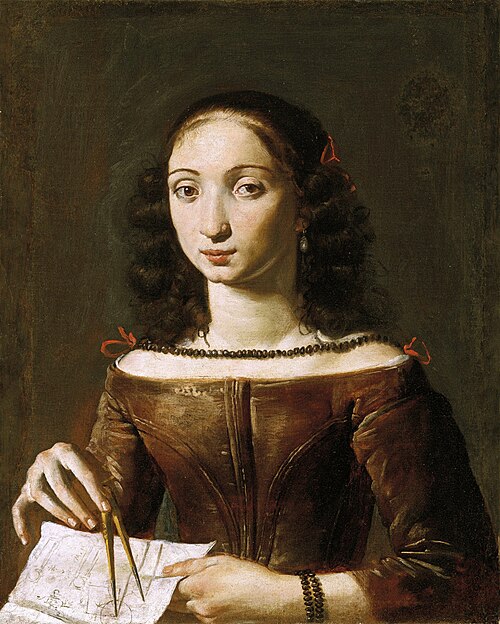
Di Prospero Piatti e bottega – Dorotheum, Wien, 6 settembre 2011, Lot 95, Pubblico dominio, Collegamento