Colosseum Gladiators: Inside Ancient Rome’s Arena
The Colosseum gladiators are one of the most iconic symbols of Ancient Rome, attracting millions of visitors every year. But the Colosseum was much more than gladiator fights—it was the stage for wild animal hunts, dramatic executions, and powerful political spectacles.
If you’re planning to visit Rome, understanding the real history of the Colosseum will completely transform your experience.
What Happened Inside the Colosseum?
A typical day in the Colosseum arena followed a structured program:
- Morning: Animal hunts (venationes)
- Midday: Executions (damnatio ad bestias)
- Afternoon: Gladiator fights
These events were designed to entertain, impress, and control the Roman population.
Today, when you walk inside the Colosseum, you are standing where thousands of people once gathered to witness these spectacles.
Gladiators in Ancient Rome
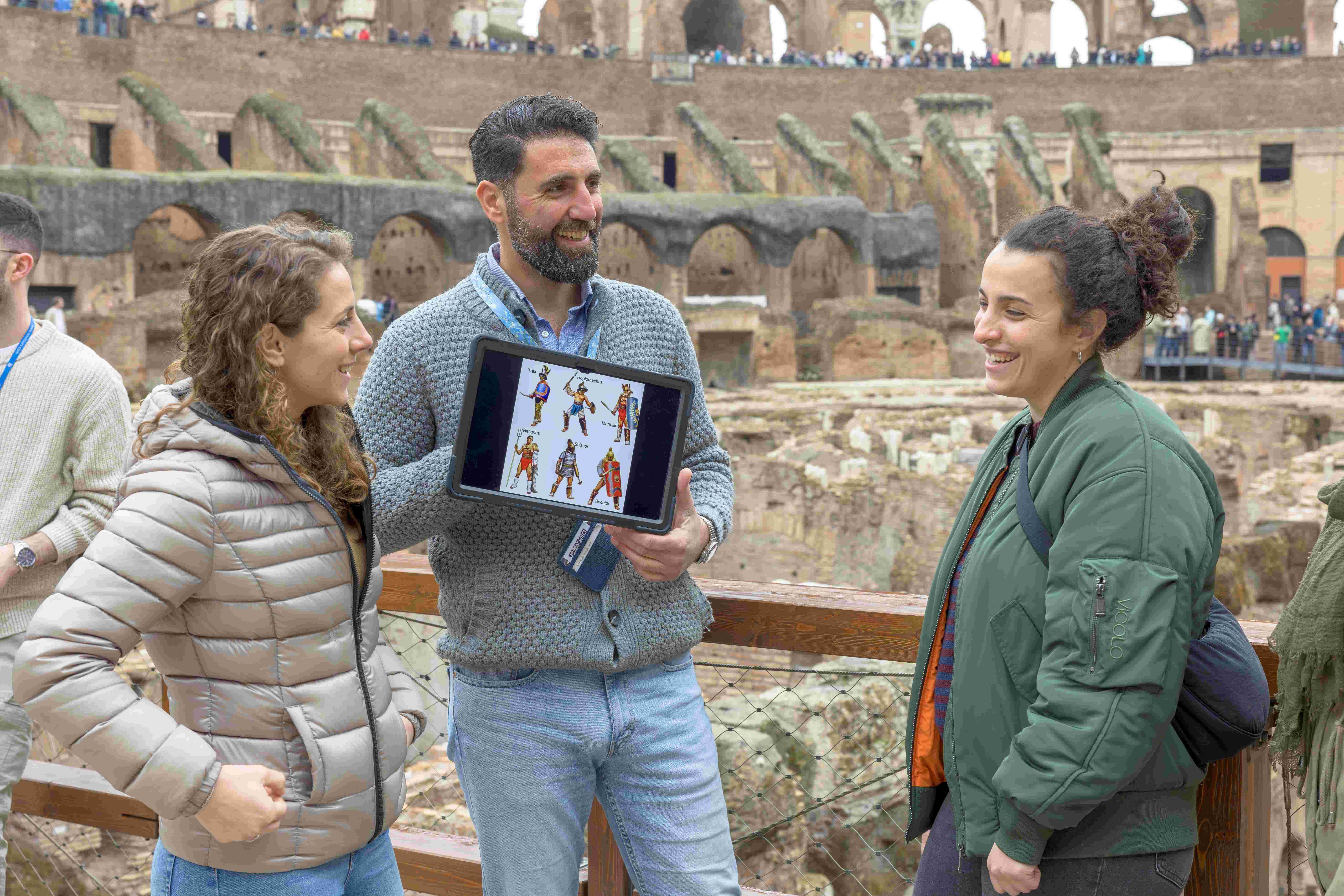
Gladiators in Ancient Rome were trained fighters who battled for survival, fame, and sometimes freedom.
They were:
- Slaves or prisoners of war
- Criminals sentenced to fight
- Volunteers seeking glory and money
Despite their low social status, gladiators were admired by the public and often became celebrities.
Their fights were the most anticipated part of the day in the Colosseum.
Wild Beasts and Animal Hunts (Venationes)
One of the most impressive—and shocking—parts of the Colosseum games was the use of wild animals.
During the venationes, spectators could see:
- Lions, panthers, and bears
- Elephants and crocodiles
- Exotic animals from Africa and Asia
According to historical sources, hundreds or even thousands of animals could be killed during major events .
These hunts symbolized the power of Rome over nature and its vast empire.
Damnatio ad Bestias: Execution by Animals
Not all participants in the arena were fighters.
During midday, the Colosseum hosted executions known as damnatio ad bestias, where condemned individuals were killed by wild animals.
These victims included:
- Criminals
- Rebels
- Prisoners of war
These executions were public, brutal, and theatrical—often staged as mythological scenes.
They served as both punishment and a warning to Roman society.
The Colosseum as a Political Tool
The Colosseum in Rome was also a powerful symbol of imperial control.
Emperors used games to:
- Gain popularity with the public
- Display wealth and generosity
- Celebrate victories
Some events lasted over 100 days and included thousands of gladiators and animals .
The message was clear: Rome had absolute power.
Why You Should Visit the Colosseum with a Guide
Today, the Colosseum is one of the most visited landmarks in the world—but visiting without context means missing most of its meaning.
A guided experience allows you to:
- Understand the real stories behind gladiators
- Visualize how the arena worked
- Discover hidden details and history
- Make the most of your time on site
Book the Best Colosseum Gladiator Tour
👉 Ready to explore the Colosseum like a real Roman spectator?
Join our expert-led experience here:
https://www.kirbatours.com/group-tours-rome/colosseum-gladiator-small-group-tour/
Colosseum Gladiator Small Group Tour – Why It’s the Best Choice
This small group Colosseum tour is designed for travelers who want more than just a visit:
- Expert local guide specialized in Ancient Rome
- Small group for a more personal and engaging experience
- In-depth storytelling that brings history to life
- Ideal for couples, families, and curious travelers
Instead of just seeing the Colosseum, you’ll experience it.
Colosseum Travel Tips
If you’re planning your visit, here are some quick tips:
- Best time to visit: Early morning or late afternoon
- Tickets sell out fast: Book in advance
- Wear comfortable shoes: The site is large
- Combine with Roman Forum & Palatine Hill for a full experience
The Legacy of Roman Gladiators
The story of Roman gladiators continues to fascinate people around the world. But the Colosseum was not just about combat—it was a reflection of Roman society, power, and culture.
Visiting it today is more than a tour.
It’s a journey into the heart of Ancient Rome.