Rome is famous for its emperors, popes, fountains, and masterpieces of art. But hidden among the streets and squares of the historic center are six unusual monuments that tell a different story: the story of ordinary Romans who used humor, irony, and satire to challenge the powerful.
Known as the Talking Statues of Rome, these sculptures became the silent voices of the people during the centuries of the Papal States. From the sixteenth century onwards, Romans attached anonymous poems, jokes, and political criticisms to their bases, transforming ancient statues into a unique form of public communication. Today, the Talking Statues are among the most fascinating hidden gems of Rome, offering visitors a glimpse into the city’s rebellious spirit and love for satire.
What Are the Talking Statues of Rome?
The Talking Statues of Rome are a group of sculptures traditionally known as the “Congregation of Wits” (Congrega degli Arguti).
Although the statues themselves never spoke, they became famous because Romans used them as places to display anonymous satirical messages known as pasquinades.
During the Renaissance and the period of Papal Rome, citizens who could not openly criticize political and religious authorities found a clever solution: they wrote verses mocking popes, politicians, and powerful figures and secretly placed them on these statues at night.
The following morning, Romans gathered around the statues to read the latest jokes, accusations, and political comments. These sculptures became the voice of the city—a kind of ancient Roman newspaper carved in stone.
Why Were They Called “Talking” Statues?
The statues earned their name because they seemed to “speak” on behalf of the people.
In a city where criticizing the Pope or government officials could be dangerous, satire became a powerful weapon.
The anonymous messages attached to the statues allowed Romans to:
- criticize corruption;
- make fun of politicians;
- express frustration against authority;
- comment on current events.
The tradition was particularly strong between the 15th and 16th centuries, when the statues became famous symbols of Roman humor and resistance.
The Six Talking Statues of Rome
The traditional group includes six statues:
- Pasquino
- Marforio
- Abate Luigi
- Madama Lucrezia
- Il Babuino
- Il Facchino
The first four were the original “talking statues,” while the Babuino and Facchino were later included because they also became places where satirical messages appeared.
Pasquino: The Most Famous Talking Statue in Rome
Among all the Talking Statues, Pasquino is the most famous.
Located near Piazza Navona, next to Palazzo Braschi, this damaged marble sculpture dates back to the Roman period and was probably part of an ancient group representing Menelaus holding the body of Patroclus.
The statue became the main place where Romans posted their satirical writings.
The name “pasquinade” comes directly from Pasquino, becoming a word used internationally to describe a sarcastic or satirical political comment.
Romans often used Pasquino to criticize popes and government officials, creating a tradition that transformed a forgotten ancient sculpture into one of the most famous symbols of free expression in Rome.
Pasquino and Marforio: The Satirical Dialogue of Rome
One of the most entertaining traditions involved imaginary conversations between Pasquino and another Talking Statue: Marforio.
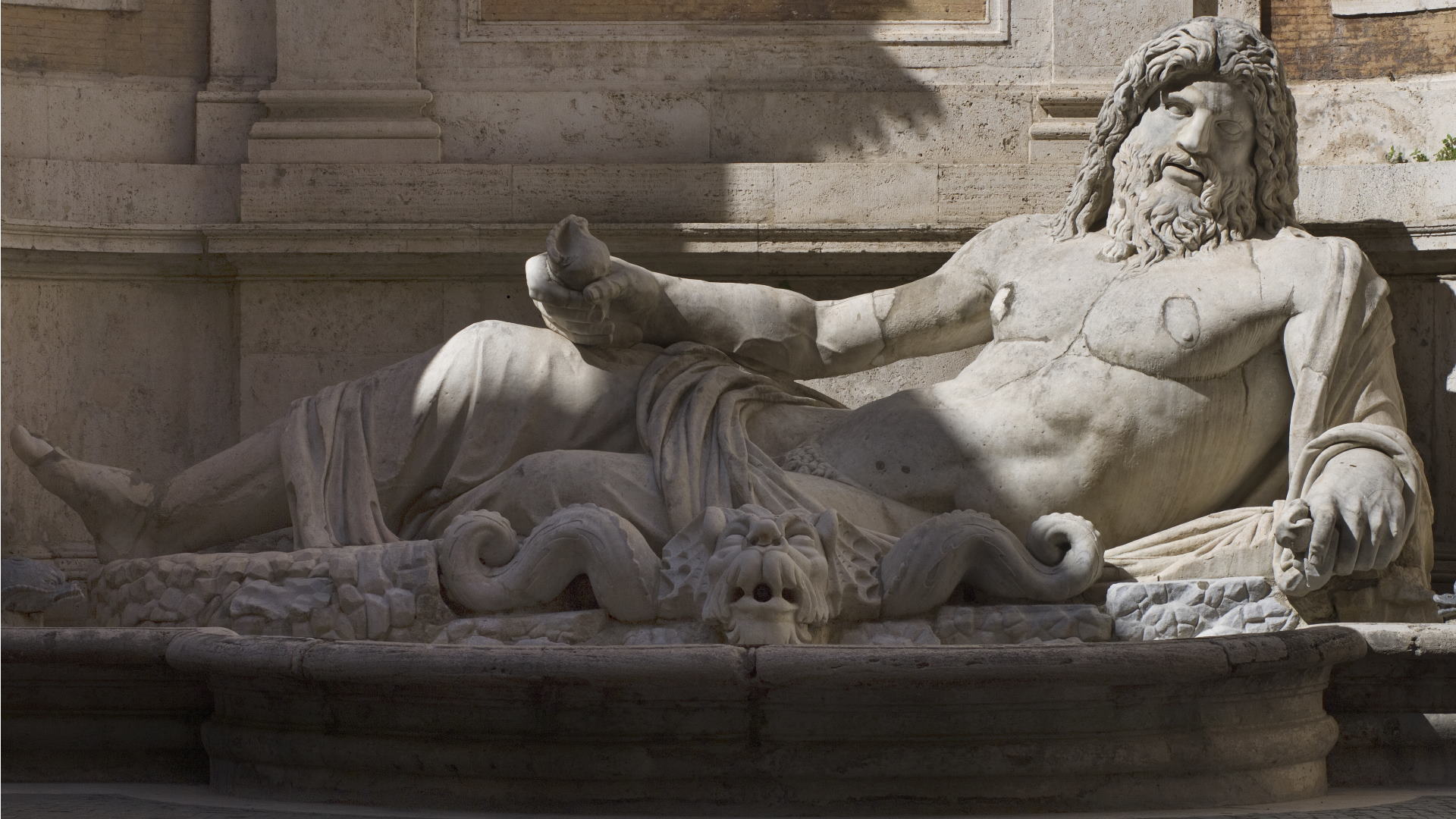
Marforio is a large ancient marble sculpture representing a reclining male figure, probably connected with a river deity or Oceanus. Today it can be found in the courtyard of Palazzo Nuovo on the Capitoline Hill.
Romans imagined the two statues exchanging sarcastic comments:
- Pasquino would ask a question;
- Marforio would provide a witty answer.
Through this fictional dialogue, citizens could express criticism while hiding behind the voices of stone statues.
Marforio: The Giant Voice of the Capitoline Hill
Marforio is one of the largest and most impressive Talking Statues.
Originally located near the Arch of Septimius Severus in the Roman Forum, the statue has been identified over the centuries as different mythological figures, including:
- a river god;
- Neptune;
- Oceanus.
Its exact identification remains debated, but its role in Roman folklore is clear: Marforio became one of the city’s great anonymous commentators.
Abate Luigi: The Headless Roman Citizen
Another famous Talking Statue is Abate Luigi, located in Piazza Vidoni, near the church of Sant’Andrea della Valle.
The statue represents a man wearing a toga, probably a Roman magistrate or orator from the late imperial period.
Its unusual nickname came from the popular imagination, possibly inspired by a local church sacristan who resembled the statue.
Like Pasquino and Marforio, Abate Luigi became a place where Romans attached humorous and political messages.
An inscription on the statue celebrates its role among the famous voices of Roman satire:
“Together with Marforio and Pasquino, I conquered eternal fame through satire.”
Madama Lucrezia: Rome’s Female Talking Statue
Madama Lucrezia is the only female figure among the Talking Statues.
Located near Piazza Venezia, close to Palazzo Venezia, this enormous marble bust probably represents an ancient Egyptian priestess of Isis or the goddess herself.
Her popular name is traditionally connected with Lucrezia d’Alagno, a fifteenth-century noblewoman linked to King Alfonso V of Naples.
Like the other statues, she became a place where Romans expressed their opinions through anonymous writings.
Il Babuino: The Statue That Gave a Street Its Name
The Babuino is located along the famous Via del Babuino, near Piazza di Spagna.
The sculpture represents Silenus, a figure from Greek mythology associated with the god Dionysus.
Romans considered the statue unattractive and compared it to a baboon (“babuino” in Italian), giving both the statue and the street their famous names.
The Babuino later became part of the tradition of Roman talking statues
Il Facchino: The Water Carrier of Rome
The Facchino represents a porter carrying a barrel used to transport water from the Tiber River.
Created around the sixteenth century, it was originally located on Via del Corso before being moved to Via Lata.
The statue became another place where Romans displayed satirical messages and political comments.
The Talking Statues and Freedom of Expression
The story of Rome’s Talking Statues is not only about art—it is also about communication and freedom.
Before modern newspapers and social media existed, Romans created their own public platform.
The statues became a place where citizens could share opinions, criticize leaders, and make jokes about those in power.
Their tradition reveals an important aspect of Roman identity: the ability to use humor and irony even in difficult times.
Where to Find Rome’s Talking Statues Today
Visitors can create a fascinating walking route through the historic center of Rome:
Pasquino
📍 Piazza Pasquino, near Piazza Navona
Marforio
📍 Courtyard of Palazzo Nuovo, Capitoline Museums
Abate Luigi
📍 Piazza Vidoni, near Sant’Andrea della Valle
Madama Lucrezia
📍 Piazza San Marco, near Piazza Venezia
Babuino
📍 Via del Babuino, near Piazza di Spagna
Facchino
📍 Via Lata, near Via del Corso
Exploring these statues offers a completely different perspective on Rome, far from the usual tourist routes.
Why the Talking Statues Are a Must-See Hidden Gem in Rome
The Talking Statues reveal a side of Rome that many visitors miss.
They tell stories of:
- ordinary citizens challenging powerful rulers;
- humor as a form of resistance;
- ancient sculptures given a new voice;
- the relationship between art and everyday life.
While millions of visitors admire Rome’s famous monuments, these six statues quietly preserve the city’s most ironic and rebellious traditions.
They are not just pieces of marble—they are witnesses of Rome’s eternal conversation with history.
Frequently Asked Questions
What are the Talking Statues of Rome?
The Talking Statues are six sculptures in Rome that became famous because Romans attached anonymous satirical messages to them, especially during the Renaissance and Papal period.
Which is the most famous Talking Statue in Rome?
Pasquino is the most famous because it gave its name to the term “pasquinade,” referring to satirical political writings.
Where is Pasquino located?
Pasquino is located near Piazza Navona, beside Palazzo Braschi.
How many Talking Statues are there in Rome?
The traditional group includes six statues: Pasquino, Marforio, Abate Luigi, Madama Lucrezia, Babuino, and Facchino.
Credit image: Turismo Roma – https://www.turismoroma.it/it/page/le-statue-parlanti